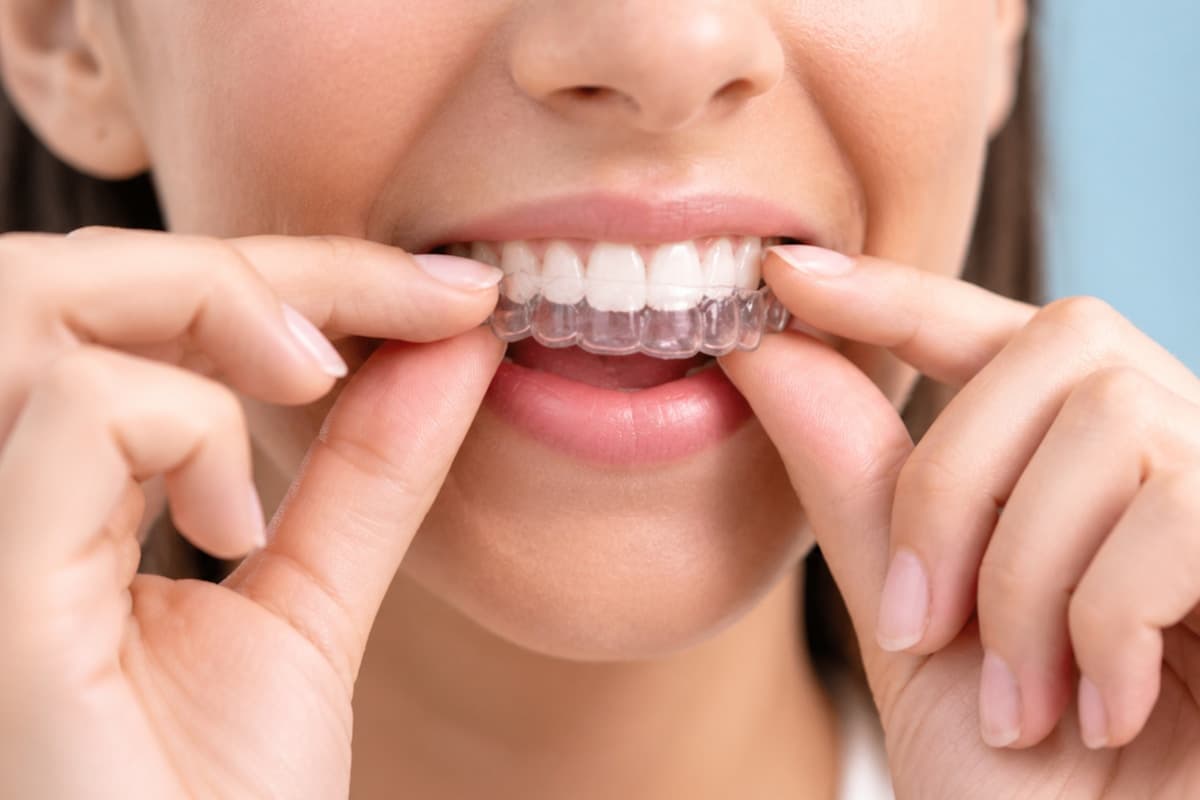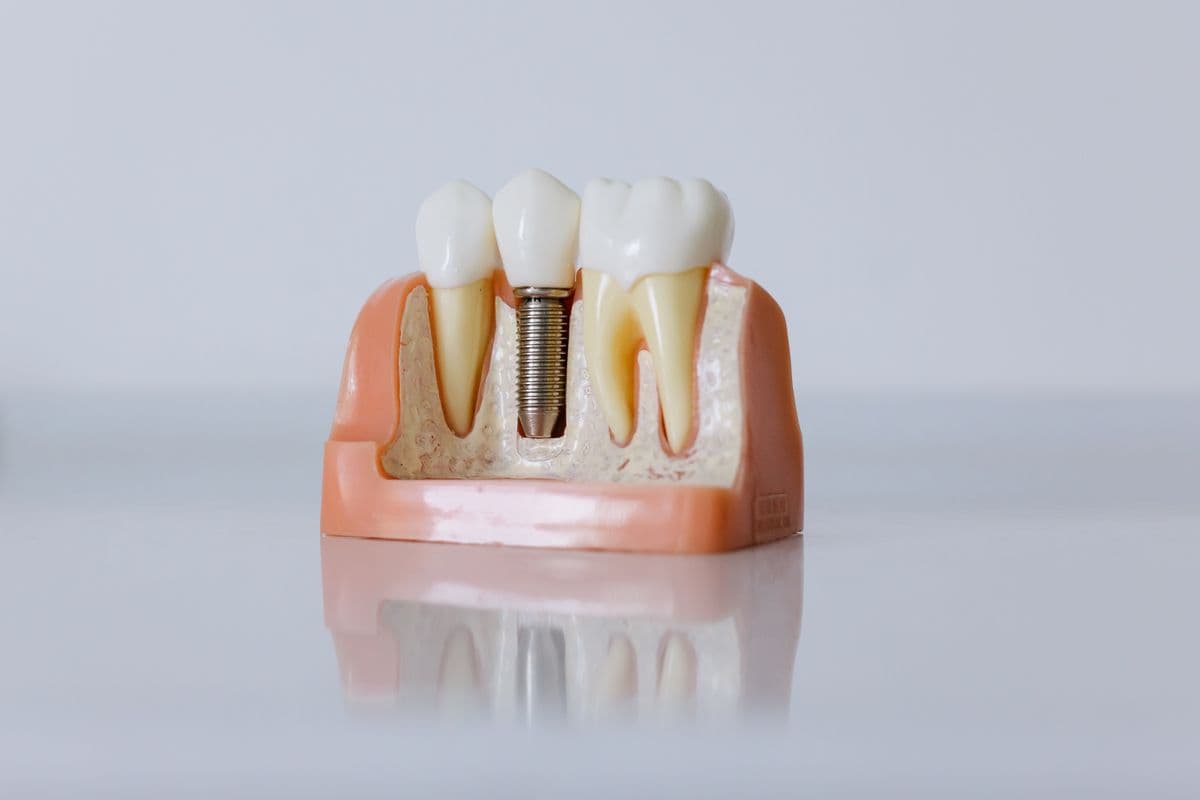
Intraoral scanner selection is one of the most consequential technology decisions a clinic makes, because the scanner determines data quality, file compatibility, and workflow integration with every lab partner. Our workflow accepts files from all major scanner platforms, and this comparison helps clinics evaluate options based on lab compatibility rather than marketing claims alone. Learn what matters most when choosing a scanner for your digital services ecosystem—including aligner cases where scan fidelity directly affects attachment placement and IPR mapping accuracy.
Key Differences at a Glance
- Informed scanner selection based on lab compatibility and real-world workflow integration
- Reduced file transfer issues from choosing scanners with open export formats
- Optimized scan quality through understanding each platform's strengths and limitations
- Future-proof investment by prioritizing open architecture over closed ecosystem lock-in
When Each Approach Applies
Scanner choice matters most in the applications below, where file format, scan accuracy, and lab compatibility directly affect whether a case needs to be rescanned.
- New practice scanner procurement with lab compatibility as primary selection criterion
- Existing practices evaluating scanner upgrade or second-device purchases
- DSO standardization decisions across multiple clinic locations and lab partners
- Lab recommendations to clinic partners on scanner selection for optimal case processing
How the Workflow Compares
Lab compatibility issues almost always surface at one specific point in this evaluation process—file export—so that's where scanner differences matter most in practice.
- Define primary clinical applications: restorative, implant, orthodontic, or multi-discipline
- Evaluate scan accuracy data from independent studies for your primary use cases
- Test file export compatibility with your current and planned lab partners
- Assess ecosystem integration: software, cloud platforms, and third-party design tool compatibility
- Pilot the top two candidates with real cases before final purchase commitment
Best Practices
- Prioritize open file format export (STL, PLY) over proprietary ecosystem advantages
- Request trial periods from manufacturers to test with your actual lab workflow
- Evaluate scan speed and ease of use alongside accuracy—adopted technology delivers ROI
- Confirm software update policies and annual licensing costs before purchase
Common Mistakes to Avoid
- Choosing scanners based on manufacturer marketing without lab compatibility verification
- Investing in closed ecosystems that limit future lab partner flexibility
- Ignoring scan learning curve and team adoption factors in the purchase decision
- Selecting scanners optimized for one application when the practice needs multi-discipline capability
“The best intraoral scanner for your practice is the one your lab partner can actually use without a file conversion step in between.”
Conclusion
Strong outcomes in intraoral scanner comparison for lab compatibility depend on clear clinical goals, accurate records, and a planning partner who understands manufacturing requirements. Explore our specialist service, review the case submission workflow, or contact our team to discuss your next case.