Dental Planning Lab
  • Home
  • Services
  • Workflow
  • Pricing
  • About
  • Blogs
  • Contact
Submit a Trial Case
  • Home
  • Services
  • Workflow
  • Pricing
  • About
  • Blogs
  • Contact
  • Submit a Trial Case

Dental Planning Lab

Your Digital Dental Design Partner.

Quick Links

  • Home
  • Services
  • Workflow
  • Pricing
  • About
  • Blogs
  • Contact

Services

  • Aligner Treatment Planning
  • Implant Planning
  • Complete Denture Design
  • Partial Denture Design
  • Restorative Dentistry

Get in Touch

  • info@dentalplanninglab.com
  • +92 310 9076633
  • Lahore, Pakistan
  • Mon – Sat

© 2026 Dental Planning Lab. All rights reserved.

Made by Hamza Ejaz

Privacy PolicyTerms of Service
Cross-section dental implant model showing prosthetic crown and bone integration
Implant Planning·5 min read·July 8, 2024·By Dental Planning Lab Team

Prosthetically Driven Implant Planning: Step-by-Step Guide

Prosthetically driven implantology reverses the traditional approach: instead of placing implants where bone permits and adapting the restoration, clinicians design the ideal prosthetic outcome first and plan implant position to support it. Our implant planning service integrates CBCT data, intraoral scans, and prosthetic design to deliver surgical guides and planning reports aligned to your restorative goals. Learn how this methodology reduces remakes and improves long-term outcomes through our structured workflow.

Clinical Benefits

  • Implant positions that support ideal emergence profile, screw access, and occlusal loading
  • Reduced restorative complications from angulation or depth errors discovered after surgery
  • Improved patient communication with visual treatment plans showing the final prosthetic outcome
  • Manufacturing-ready surgical guides produced from the same digital plan as the restoration design

Clinical Applications

From routine cases to complex multidisciplinary treatment, the following applications are where digital planning delivers the most value for clinics, laboratories, and specialists.

  • Single-tooth anterior replacements where aesthetic zone emergence is critical
  • Posterior implant placement requiring optimal occlusal table positioning for crown design
  • Full arch cases where prosthetic arch form drives implant distribution and angulation
  • Immediate provisional cases where implant position must support same-day temporary aesthetics

Digital Workflow

A predictable digital workflow reduces remakes, shortens chair time, and improves communication between the clinic and planning lab.

  1. Capture CBCT, intraoral scans, and clinical photos with radiographic stent if needed
  2. Design the ideal prosthetic tooth position and emergence profile in planning software
  3. Plan implant position, angulation, and depth to support the prosthetic design within bone constraints
  4. Generate surgical guide and planning report for clinician review and approval
  5. Execute guided or navigated surgery and transfer the plan to restorative fabrication
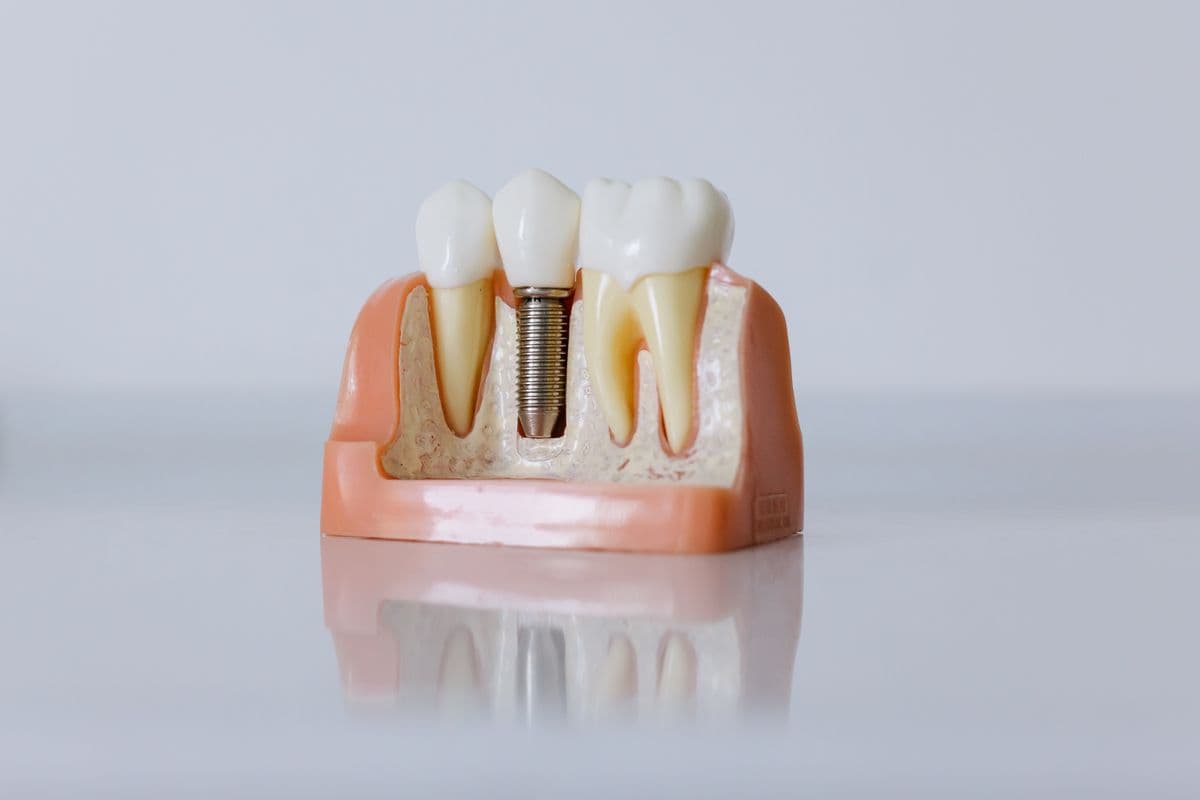
Cross-section dental implant model showing prosthetic crown and bone integration
Digital planning connects clinical records with lab-ready design outputs.

Best Practices

Planning tip

Submit complete records early—photos, scans, and bite data—so planners can flag risks before design begins.

  • Always design the restoration before finalizing implant position, even for straightforward cases
  • Verify adequate bone volume and soft tissue thickness at planned implant sites before guide fabrication
  • Use radiographic guides or scan bodies to correlate CBCT with intraoral scan data accurately
  • Plan for platform switching and abutment selection during the digital setup phase

Common Mistakes to Avoid

  • Placing implants freehand and adapting crown design to suboptimal positions post-surgery
  • Ignoring soft tissue biotype when planning implant depth and emergence angle
  • Failing to account for future adjacent tooth movement or planned restorative work
  • Approving surgical guides without cross-referencing the prosthetic design overlay

“Accuracy in planning is not about more software—it is about better inputs, experienced review, and manufacturing-aware design decisions.”

— Dental Planning Lab clinical team

Conclusion

Strong outcomes in prosthetically driven implant planning: step-by-step guide depend on clear clinical goals, accurate records, and a planning partner who understands manufacturing requirements. Explore our specialist service, review the case submission workflow, or contact our team to discuss your next case.

Key Takeaways

  • The restoration design should drive every implant position decision
  • Digital merging of CBCT and intraoral scan data is essential for accurate planning
  • Surgical guides translate the prosthetic plan into surgical execution with precision
  • Outsourced planning brings prosthetic and surgical expertise to every case complexity level

Table of Contents

  1. Clinical Benefits
  2. Clinical Applications
  3. Digital Workflow
  4. Best Practices
  5. Common Mistakes to Avoid
  6. Conclusion

FAQ

Frequently Asked Questions

Prosthetically driven planning designs the final crown, bridge, or prosthesis first, then positions implants to support that restoration optimally. This approach prioritizes aesthetics, function, and maintainability over simply finding available bone volume for implant placement.

Standard requirements include a CBCT scan, upper and lower intraoral scans, bite registration, and clinical photos. For partially edentulous cases, scan bodies or radiographic stents help correlate soft tissue and prosthetic references with CBCT anatomy.

Yes. The digital plan provides a surgical report with recommended positions, depths, and angulations that surgeons can follow freehand. However, guided surgery delivers higher accuracy when transferring the prosthetically driven plan to the surgical site.

Specialized planning teams bring experience across implant systems, bone grafting scenarios, and prosthetic designs. They identify risks early, optimize implant distribution, and produce guides that reduce surgical and restorative complications compared to ad hoc in-office planning.

Keep Reading

Related Articles

Clinician analyzing a panoramic dental X-ray on a monitor for implant planning
Implant Planning·5 min read·August 14, 2024

CBCT to Implant Plan: The Complete Digital Workflow

From CBCT acquisition to surgical guide delivery, this guide covers the complete digital implant planning workflow—including data merging, nerve mapping, and guide fabrication.

Read Article →
Patient fitting a clear aligner tray during orthodontic treatment planning
Aligner Treatment Planning·5 min read·January 15, 2024

Clear Aligner Treatment Planning: A Complete Guide for Dentists

Master the fundamentals of digital clear aligner treatment planning—from diagnosis and staging to attachments, refinements, and lab collaboration—for predictable orthodontic outcomes.

Read Article →
Dentist reviewing a panoramic dental X-ray with a patient during case consultation
Aligner Treatment Planning·5 min read·June 22, 2024

How to Submit Your First Aligner Case to a Planning Lab

A step-by-step walkthrough for submitting your first clear aligner case to a planning lab—records, prescriptions, file formats, and what to expect during review and approval.

Read Article →

Ready to Discuss Your Next Digital Dental Case?

Partner with Dental Planning Lab for accurate planning, expert digital design, and manufacturing-ready outputs trusted by dental professionals worldwide.

Submit a Trial CaseContact Us