Digital dentistry is no longer an emerging trend—it is the operational standard for clinics and labs delivering efficient, accurate, and patient-friendly care. From intraoral scanning to cloud-based case management, the digital toolkit transforms every stage of treatment. Whether you are evaluating your first scanner or optimizing an established workflow, our services and workflow are designed to support clinics at every stage of digital adoption. This guide provides the foundation for understanding what digital dentistry means in daily practice—including clear aligner workflows where attachment, IPR, and staging decisions determine how predictably trays track.
Clinical Benefits
- Improved accuracy through digital data capture replacing impression distortion and pour errors
- Enhanced patient experience with faster appointments and elimination of impression materials
- Streamlined lab communication via digital file transfer instead of physical model shipping
- Comprehensive digital records that support treatment planning, remakes, and case documentation
Clinical Applications
Digital dentistry touches nearly every clinical workflow below, but clinics see the fastest return where a single digital step replaces several analog ones at once.
- Restorative dentistry: crowns, bridges, veneers, and inlays designed from intraoral scans
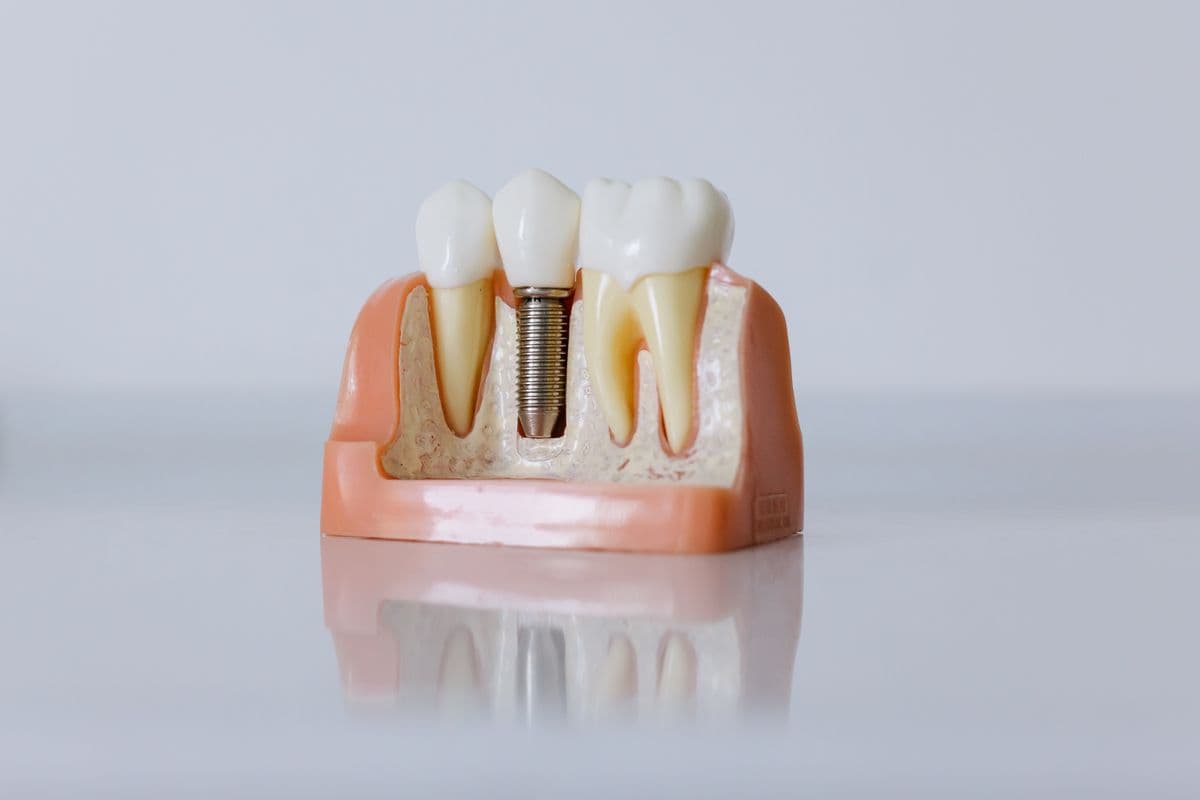
- Implantology: CBCT integration, surgical guide design, and prosthetically driven planning
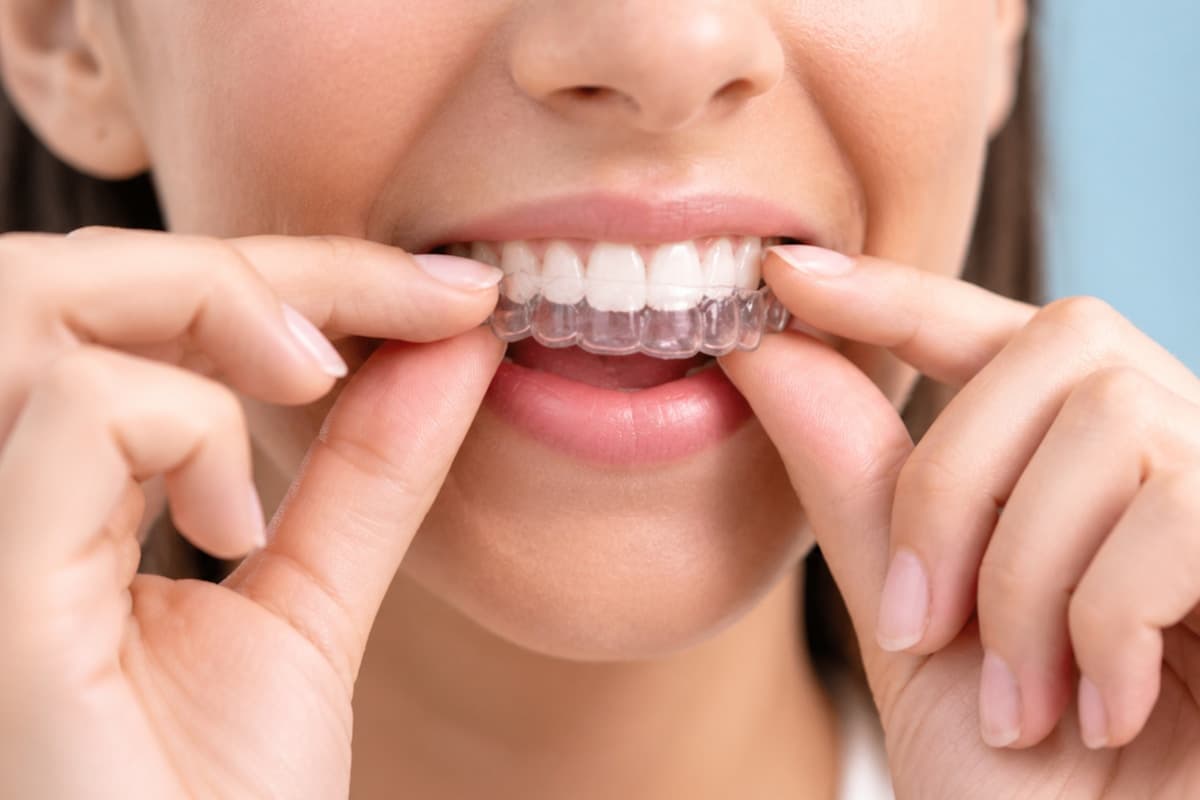
- Orthodontics: clear aligner treatment planning from digital models and staging files
- Removable prosthetics: complete and partial denture design from edentulous and dentate scans
Digital Workflow
Adopting digital dentistry rarely means replacing every step at once—this sequence reflects how most clinics phase the transition in without disrupting active caseloads.
- Evaluate practice needs and select foundational technology—typically an intraoral scanner
- Establish digital file transfer protocols with your dental lab and planning partners
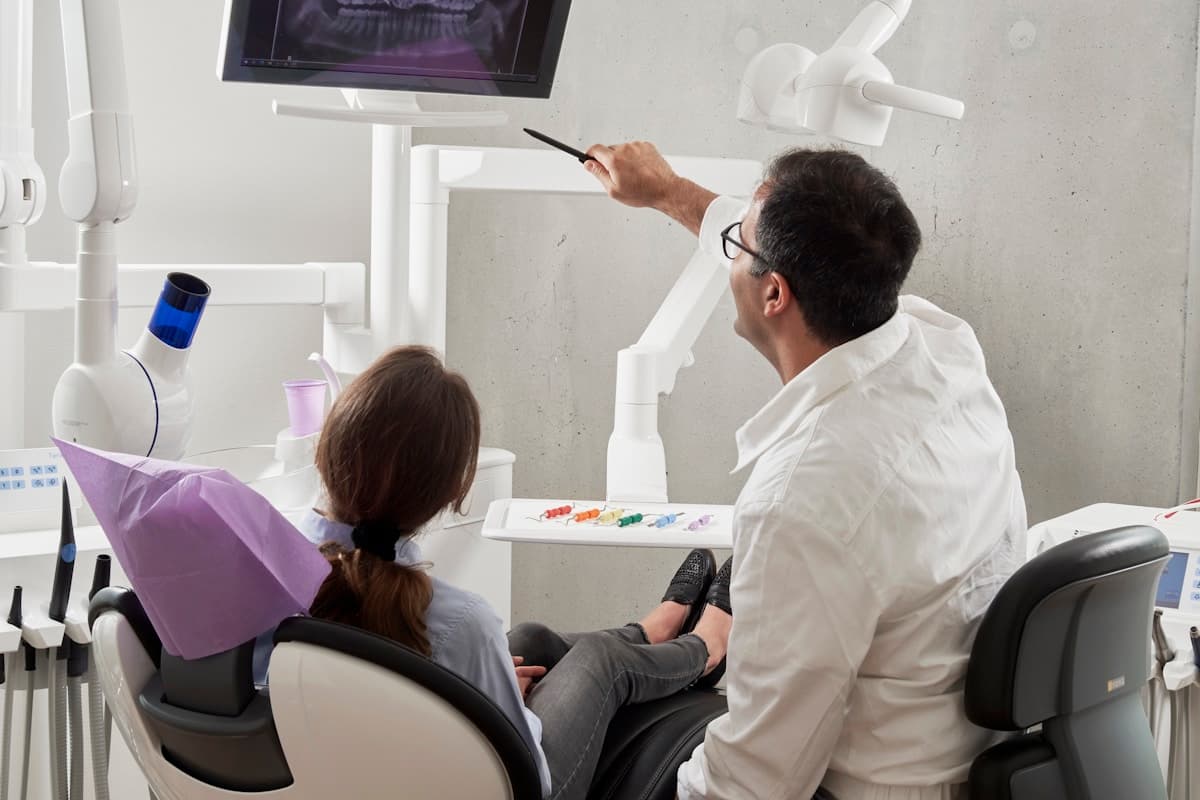
- Train clinical team on scanning technique, case submission, and quality verification
- Expand into additional digital services: implant planning, aligners, or chairside milling
- Measure outcomes and ROI to guide further technology investment decisions
Best Practices
- Start with one digital workflow—restorative scanning—before expanding to multiple disciplines
- Choose open-architecture scanners and software that integrate with multiple lab partners
- Invest in team training equal to technology investment for successful adoption
- Partner with experienced digital planning labs rather than building all capabilities in-house
Common Mistakes to Avoid
- Purchasing technology without a clear clinical use case or workflow integration plan
- Choosing closed systems that limit lab partner options and future flexibility
- Underinvesting in staff training, resulting in poor scan quality and workflow abandonment
- Attempting to digitize every workflow simultaneously instead of phased implementation
“Digital dentistry isn't a single purchase decision—it's a series of workflow replacements, and the order you make them in matters as much as which tools you choose.”
Conclusion
Strong outcomes in digital dentistry 101: a complete guide for modern clinics depend on clear clinical goals, accurate records, and a planning partner who understands manufacturing requirements. Explore our specialist service, review the case submission workflow, or contact our team to discuss your next case.