Dental Planning Lab
  • Home
  • Services
  • Workflow
  • Pricing
  • About
  • Blogs
  • Contact
Submit a Trial Case
  • Home
  • Services
  • Workflow
  • Pricing
  • About
  • Blogs
  • Contact
  • Submit a Trial Case

Dental Planning Lab

Your Digital Dental Design Partner.

Quick Links

  • Home
  • Services
  • Workflow
  • Pricing
  • About
  • Blogs
  • Contact

Services

  • Aligner Treatment Planning
  • Implant Planning
  • Complete Denture Design
  • Partial Denture Design
  • Restorative Dentistry

Get in Touch

  • info@dentalplanninglab.com
  • +92 310 9076633
  • Lahore, Pakistan
  • Mon – Sat

© 2026 Dental Planning Lab. All rights reserved.

Made by Hamza Ejaz

Privacy PolicyTerms of Service
Cross-section model of a screw-retained dental implant crown on an abutment
Restorative Dentistry·5 min read·June 8, 2024·By Dental Planning Lab Team

Screw-Retained vs. Cement-Retained Implant Crowns: Design Guide

The screw-retained versus cement-retained decision is one of the most consequential choices in implant restorative design, affecting retrievability, aesthetic outcomes, and peri-implant tissue health. Digital design must account for the chosen retention method from the planning stage. Our restorative design service designs both configurations through our workflow—this guide helps clinicians make and communicate the right choice.

Clinical Benefits

  • Informed retention method selection based on implant position, aesthetic zone, and maintenance needs
  • Optimized CAD design parameters specific to screw-access or cement-margin configurations
  • Reduced peri-implant cement complications through proper design for the chosen retention method
  • Retrievable restorations when screw-retained design is planned from the start

Clinical Applications

From routine cases to complex multidisciplinary treatment, the following applications are where digital planning delivers the most value for clinics, laboratories, and specialists.

  • Posterior screw-retained crowns where screw access through the occlusal surface is acceptable
  • Anterior cement-retained crowns where screw access would compromise aesthetics
  • Angulated screw channel designs when implant angulation does not allow straight access
  • Full arch screw-retained prosthetics with multi-unit abutment or direct-to-fixture design

Digital Workflow

A predictable digital workflow reduces remakes, shortens chair time, and improves communication between the clinic and planning lab.

  1. Evaluate implant position, angulation, and prosthetic space for retention method feasibility
  2. Select screw-retained, cement-retained, or angulated screw channel based on clinical factors
  3. Design crown with appropriate access hole position, cement margin depth, or ASC angle
  4. Verify emergence profile, contact design, and occlusal scheme in the digital model
  5. Fabricate and deliver with the appropriate components—screw, abutment, or cement protocol
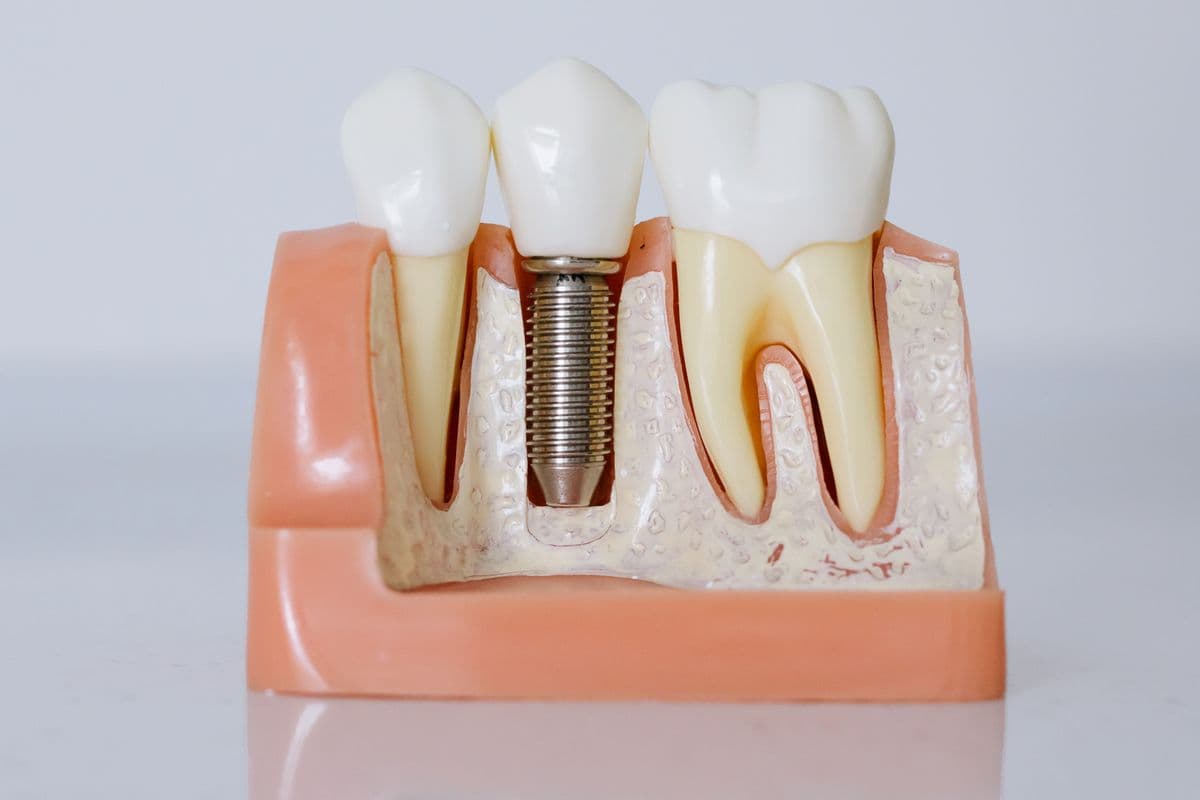
Cross-section model of a screw-retained dental implant crown on an abutment
Digital planning connects clinical records with lab-ready design outputs.

Best Practices

Planning tip

Submit complete records early—photos, scans, and bite data—so planners can flag risks before design begins.

  • Plan retention method during implant planning, not after implant placement
  • Use angulated screw channels when straight access would exit through the facial surface
  • Design cement-retained crowns with supragingival margins accessible for cement removal
  • Specify retention method in the case prescription before CAD design begins

Common Mistakes to Avoid

  • Choosing cement-retained for posterior implants where screw-retained retrievability is advantageous
  • Designing screw access through the aesthetic zone without angulated screw channel options
  • Excess cement due to subgingival margin placement in cement-retained designs
  • Failing to verify prosthetic space for screw channel components in screw-retained designs

“Accuracy in planning is not about more software—it is about better inputs, experienced review, and manufacturing-aware design decisions.”

— Dental Planning Lab clinical team

Conclusion

Strong outcomes in screw-retained vs. cement-retained implant crowns: design guide depend on clear clinical goals, accurate records, and a planning partner who understands manufacturing requirements. Explore our specialist service, review the case submission workflow, or contact our team to discuss your next case.

Key Takeaways

  • Retention method should be decided at implant planning, not restorative design
  • Screw-retained offers retrievability; cement-retained offers aesthetic flexibility in anterior zones
  • Angulated screw channels bridge the gap when implant angulation conflicts with access position
  • Digital design must be configured for the chosen method from the first design step

Table of Contents

  1. Clinical Benefits
  2. Clinical Applications
  3. Digital Workflow
  4. Best Practices
  5. Common Mistakes to Avoid
  6. Conclusion

FAQ

Frequently Asked Questions

Screw-retained is preferred when retrievability is important, in posterior regions where occlusal access is acceptable, and in full arch cases. It eliminates cement-related peri-implant complications and simplifies maintenance and component replacement.

Excess cement in subgingival spaces is the primary risk, potentially causing peri-implant inflammation and bone loss. Cement-retained designs should use supragingival margins, custom abutments, and meticulous cementation technique with radiographic verification.

An angulated screw channel (ASC) allows screw access at up to 25 to 30 degrees from the implant long axis, enabling screw-retained restorations when implant angulation would otherwise place access through the facial or incisal surface.

Screw-retained designs include access hole positioning, channel angulation, and screw seat geometry. Cement-retained designs focus on abutment margin position, cement space, and emergence profile. Each requires different CAD parameters and component libraries.

Keep Reading

Related Articles

Dentist matching tooth shade with a VITA guide for restorative crown design
Restorative Dentistry·5 min read·February 5, 2024

Digital Crown Design Workflow: From Scan to Final Restoration

The digital crown design workflow connects intraoral scanning to milled or printed restorations. Follow each stage from scan preparation through design approval and final delivery.

Read Article →
Patient fitting a clear aligner tray during orthodontic treatment planning
Aligner Treatment Planning·5 min read·January 15, 2024

Clear Aligner Treatment Planning: A Complete Guide for Dentists

Master the fundamentals of digital clear aligner treatment planning—from diagnosis and staging to attachments, refinements, and lab collaboration—for predictable orthodontic outcomes.

Read Article →
Dentist reviewing a panoramic dental X-ray with a patient during case consultation
Aligner Treatment Planning·5 min read·June 22, 2024

How to Submit Your First Aligner Case to a Planning Lab

A step-by-step walkthrough for submitting your first clear aligner case to a planning lab—records, prescriptions, file formats, and what to expect during review and approval.

Read Article →

Ready to Discuss Your Next Digital Dental Case?

Partner with Dental Planning Lab for accurate planning, expert digital design, and manufacturing-ready outputs trusted by dental professionals worldwide.

Submit a Trial CaseContact Us