Dental Planning Lab
  • Home
  • Services
  • Workflow
  • Pricing
  • About
  • Blogs
  • Contact
Submit a Trial Case
  • Home
  • Services
  • Workflow
  • Pricing
  • About
  • Blogs
  • Contact
  • Submit a Trial Case

Dental Planning Lab

Your Digital Dental Design Partner.

Quick Links

  • Home
  • Services
  • Workflow
  • Pricing
  • About
  • Blogs
  • Contact

Services

  • Aligner Treatment Planning
  • Implant Planning
  • Complete Denture Design
  • Partial Denture Design
  • Restorative Dentistry

Get in Touch

  • info@dentalplanninglab.com
  • +92 310 9076633
  • Lahore, Pakistan
  • Mon – Sat

© 2026 Dental Planning Lab. All rights reserved.

Made by Hamza Ejaz

Privacy PolicyTerms of Service
Dental laboratory tools and materials used in CAD/CAM restorative design
CAD/CAM·5 min read·February 28, 2024·By Dental Planning Lab Team

CAD vs. CAM in Dentistry: What Every Clinician Should Know

CAD/CAM is often spoken of as a single concept, but computer-aided design and computer-aided manufacturing are distinct stages with different skill requirements, software, and equipment. Clinicians who understand the separation make better decisions about what to do in-house and what to outsource. Our services focus on the CAD design stage, delivering manufacturing-ready files through our workflow for clinics and labs that handle CAM in-house or through manufacturing partners.

Clinical Benefits

  • Clear understanding of where clinical responsibility ends and lab design/manufacturing begins
  • Informed outsourcing decisions based on which stage—design or manufacturing—delivers the most value
  • Better communication with labs using precise CAD/CAM terminology in case discussions
  • Optimized investment by targeting technology purchases to the stage with highest practice impact

Clinical Applications

From routine cases to complex multidisciplinary treatment, the following applications are where digital planning delivers the most value for clinics, laboratories, and specialists.

  • Clinics evaluating chairside milling systems that require understanding both CAD and CAM stages
  • Practices outsourcing CAD design while milling in-office or through a manufacturing lab
  • Dental labs separating design services from manufacturing for flexible business models
  • DSO procurement teams specifying CAD design vs. CAM manufacturing requirements in RFPs

Digital Workflow

A predictable digital workflow reduces remakes, shortens chair time, and improves communication between the clinic and planning lab.

  1. Capture clinical data via intraoral scan, CBCT, or conventional impression converted to digital
  2. CAD stage: designer creates the restoration, guide, or prosthetic in computer-aided design software
  3. Design review and approval by clinician before manufacturing proceeds
  4. CAM stage: approved design is manufactured via milling, printing, or casting
  5. Clinical delivery, adjustment, and seating of the manufactured restoration or appliance
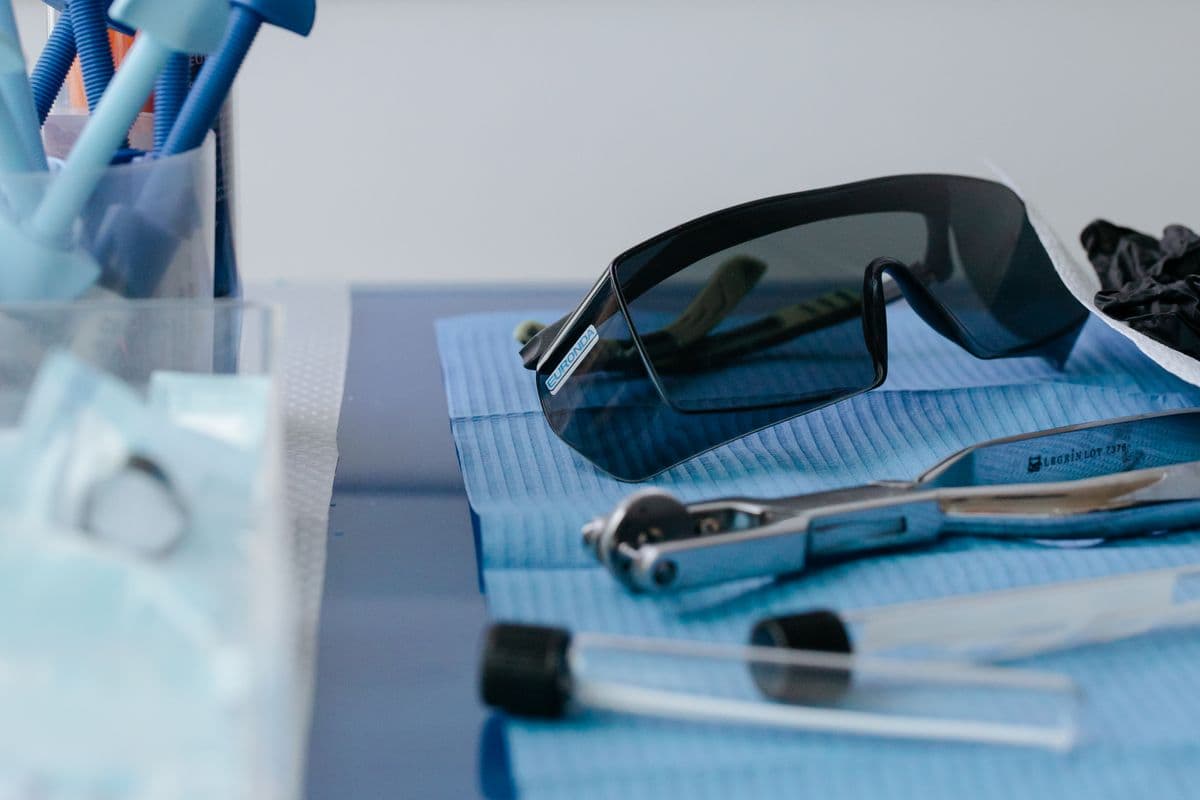
Dental laboratory tools and materials used in CAD/CAM restorative design
Digital planning connects clinical records with lab-ready design outputs.

Best Practices

Planning tip

Submit complete records early—photos, scans, and bite data—so planners can flag risks before design begins.

  • Separate CAD design quality assessment from CAM manufacturing quality in case evaluations
  • Outsource CAD to experienced design labs when in-house design expertise is not established
  • Verify CAM equipment compatibility with CAD export formats before establishing workflow
  • Maintain clear communication about which party owns design approval vs. manufacturing responsibility

Common Mistakes to Avoid

  • Blaming CAM (milling/printing) quality for problems originating in CAD design
  • Purchasing CAM equipment without establishing reliable CAD design workflow first
  • Assuming CAD/CAM software suites require equal expertise in both design and manufacturing
  • Skipping design review before CAM manufacturing, resulting in wasted material and time

“Accuracy in planning is not about more software—it is about better inputs, experienced review, and manufacturing-aware design decisions.”

— Dental Planning Lab clinical team

Conclusion

Strong outcomes in cad vs. cam in dentistry: what every clinician should know depend on clear clinical goals, accurate records, and a planning partner who understands manufacturing requirements. Explore our specialist service, review the case submission workflow, or contact our team to discuss your next case.
Key Takeaways

  • CAD is design; CAM is manufacturing—they require different skills, software, and equipment
  • Most practices outsource CAD design and either outsource or invest in CAM separately
  • Design quality determines restoration outcome more than manufacturing equipment brand
  • Understanding the CAD/CAM separation improves lab communication and outsourcing decisions

Table of Contents

  1. Clinical Benefits
  2. Clinical Applications
  3. Digital Workflow
  4. Best Practices
  5. Common Mistakes to Avoid
  6. Conclusion

FAQ

Frequently Asked Questions

Dental CAD (Computer-Aided Design) is the digital creation of restorations, surgical guides, prosthetics, and appliances using specialized design software. CAD technicians or software algorithms shape anatomy, set margins, and prepare files for manufacturing.

Dental CAM (Computer-Aided Manufacturing) is the automated production of designed restorations using milling machines, 3D printers, or casting equipment. CAM translates the CAD file into a physical object through subtractive or additive manufacturing.

Yes. Many practices and labs outsource CAD design and receive manufactured restorations from partner labs. Conversely, some labs provide CAM manufacturing services for designs created elsewhere. The stages are independently outsourceable.

CAD requires aesthetic judgment, anatomical knowledge, and software proficiency developed over months to years. CAM operation is more equipment-focused and can be learned faster, though optimization requires experience. Most clinicians outsource both rather than mastering either.

Keep Reading

Related Articles

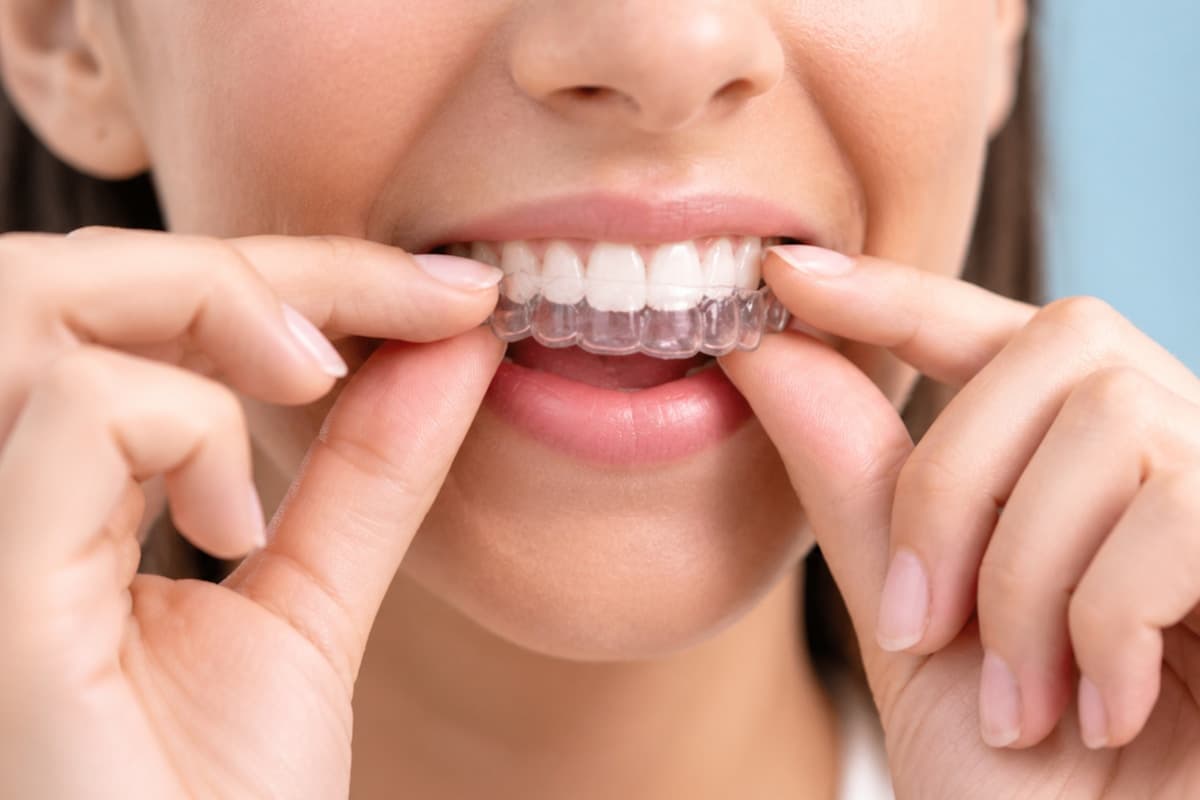
Patient fitting a clear aligner tray during orthodontic treatment planning
Aligner Treatment Planning·5 min read·January 15, 2024

Clear Aligner Treatment Planning: A Complete Guide for Dentists

Master the fundamentals of digital clear aligner treatment planning—from diagnosis and staging to attachments, refinements, and lab collaboration—for predictable orthodontic outcomes.

Read Article →
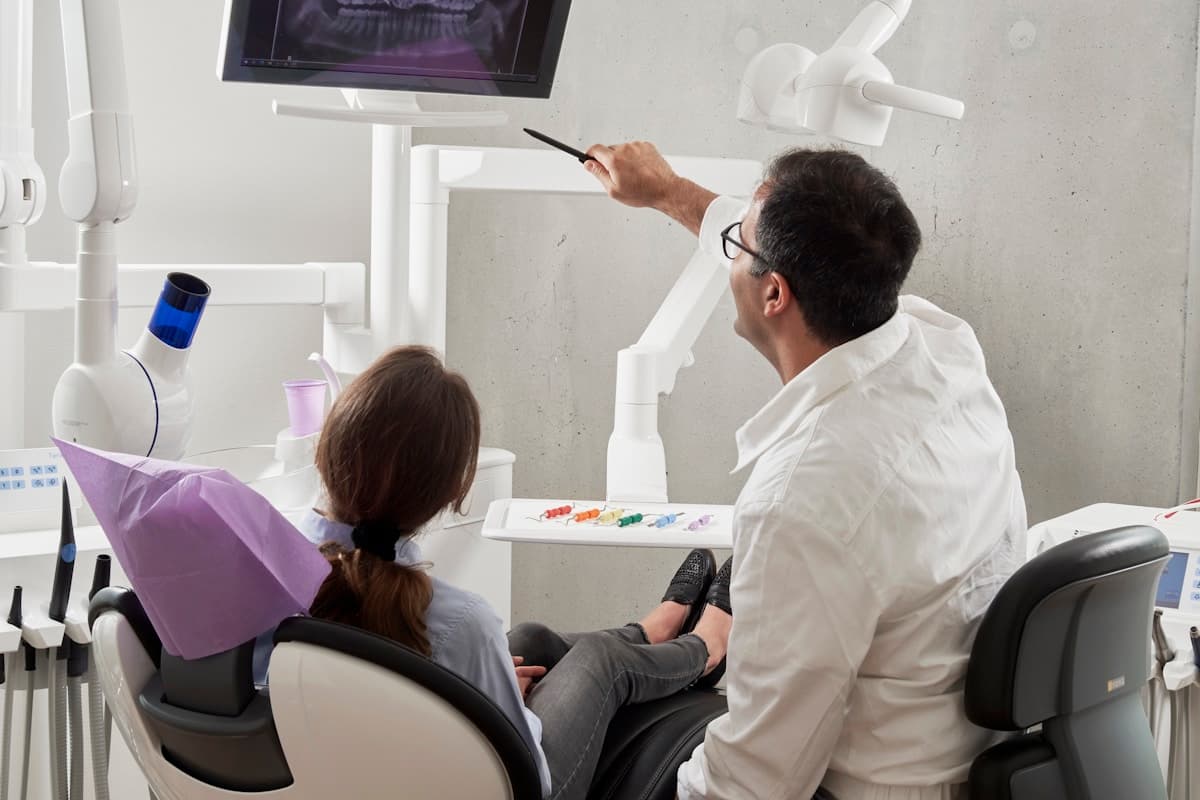
Dentist reviewing a panoramic dental X-ray with a patient during case consultation
Aligner Treatment Planning·5 min read·June 22, 2024

How to Submit Your First Aligner Case to a Planning Lab

A step-by-step walkthrough for submitting your first clear aligner case to a planning lab—records, prescriptions, file formats, and what to expect during review and approval.

Read Article →
Cross-section dental implant model showing prosthetic crown and bone integration
Implant Planning·5 min read·July 8, 2024

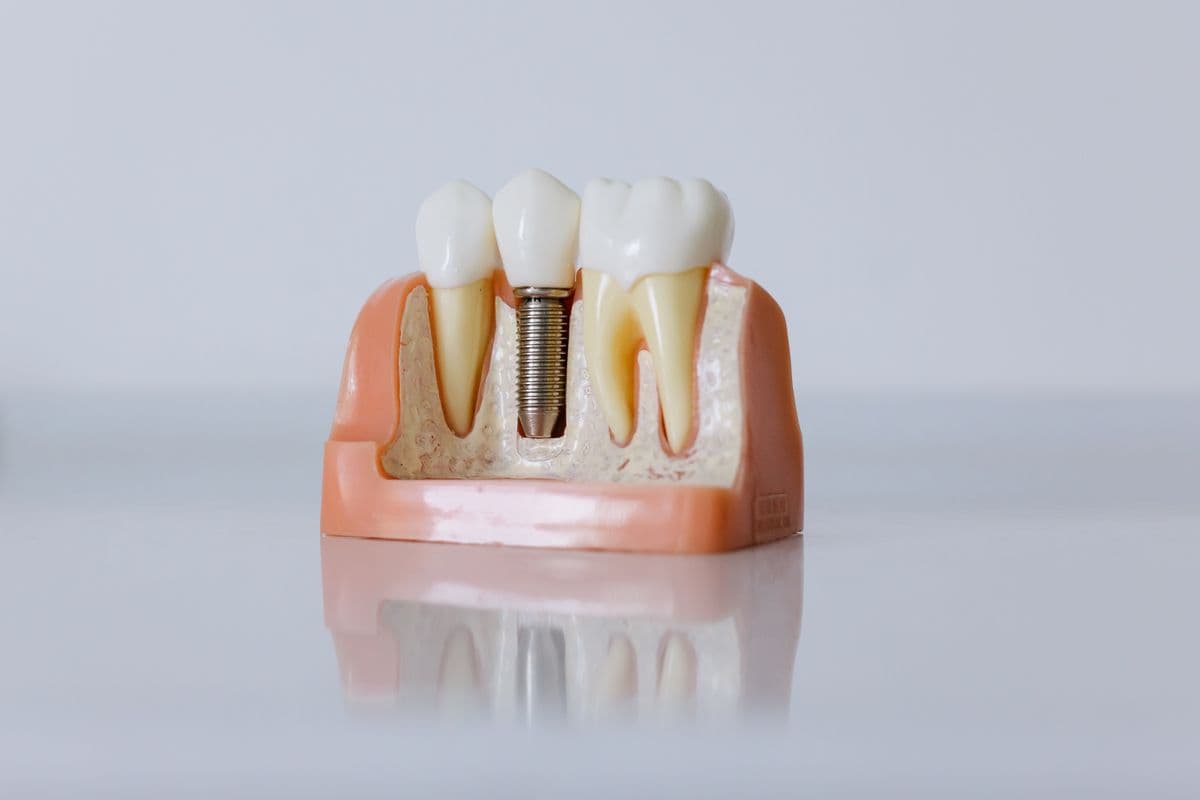
Prosthetically Driven Implant Planning: Step-by-Step Guide

Prosthetically driven implant planning starts with the final restoration in mind. Follow this step-by-step guide to position implants for optimal aesthetics, function, and long-term success.

Read Article →

Ready to Discuss Your Next Digital Dental Case?

Partner with Dental Planning Lab for accurate planning, expert digital design, and manufacturing-ready outputs trusted by dental professionals worldwide.

Submit a Trial CaseContact Us